One of the most common questions about braille is “Will braille still be used in the future?” The question has been being asked now for decades, but braille is still here. For those who use it, it’s obvious why.
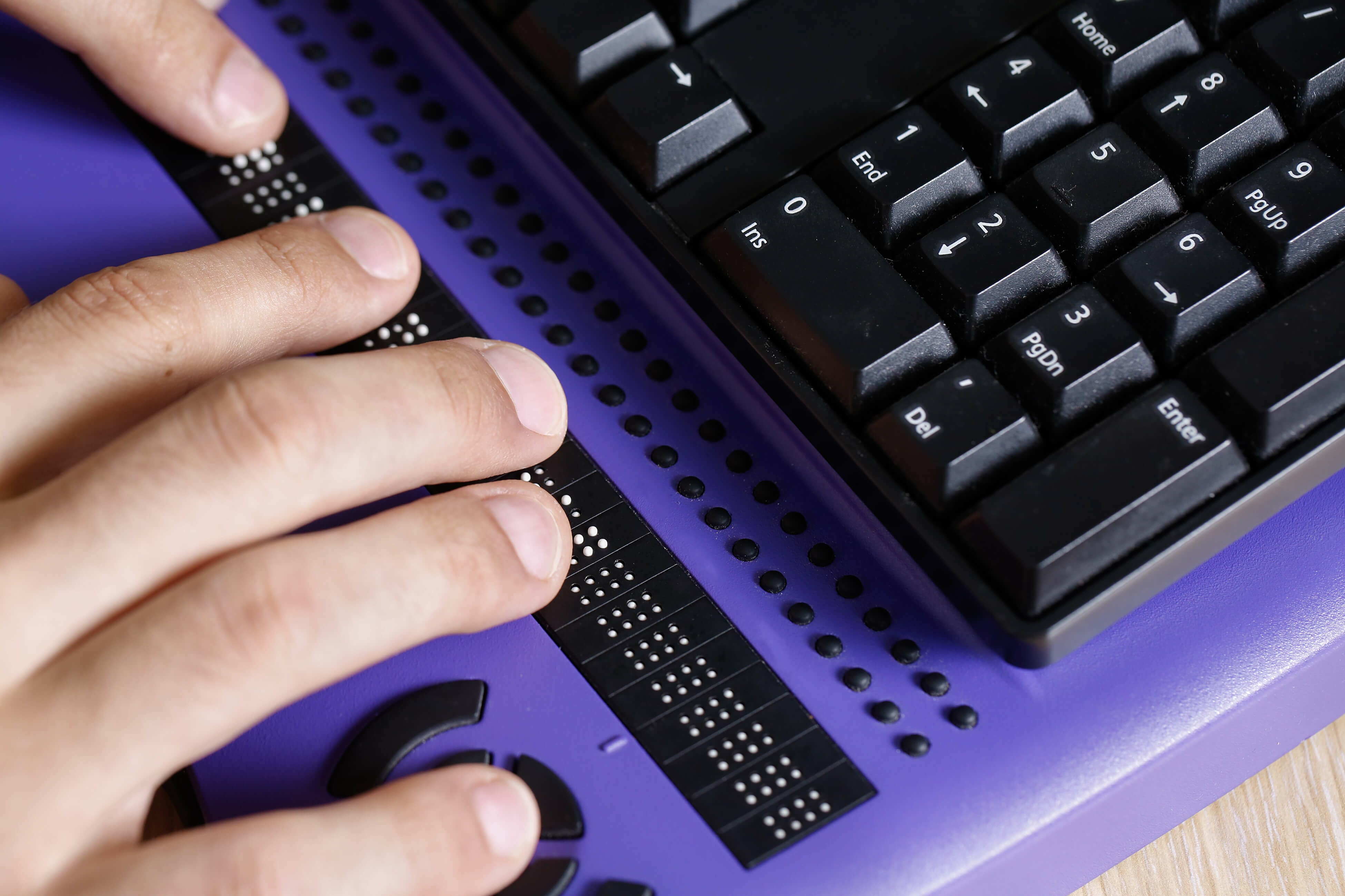 From a sighted perspective, the march of technology has consisted of a shift away from the physical world, and towards the digital. For those who are blind, though, reaping the benefits of the digital revolution requires capturing the vast flow of information escaping into the void and redirecting it to the physical world, where it can be accessed, and interacted with. Rather than replacing braille, the accessible technologies of the future are being built on a foundation of braille, making it more relevant than ever.
A recent episode of the BBC’s In Touch program set out to explore questions on the future of braille by gathering a wide range of the voices of the people who use it. While it only investigated the UK, the sentiments shared on the program echo those we hear at Braille House all the time.
 Young students featured on the program did not describe braille as something to be replaced by technology, but rather described technology as a tool that enhances access to braille. Refreshable braille displays, notetakers and other digital devices are making braille more accessible and versatile than ever before.
When asked whether today’s children would need to learn braille to use in the future, all the experts that appeared on the program unanimously agreed that children should learn braille, and as early as possible. Their message was clear: early access to braille supports literacy, education and independence, providing children who use it with the same opportunity to develop reading and writing skills as their sighted peers.
While the value of braille is obvious for education, the people who spoke on the program also highlighted the value of braille in daily life. Braille supports literacy, communication, employment and independence across both physical and digital environments.
One contributor described braille as “one of the most liberating things ever invented.”
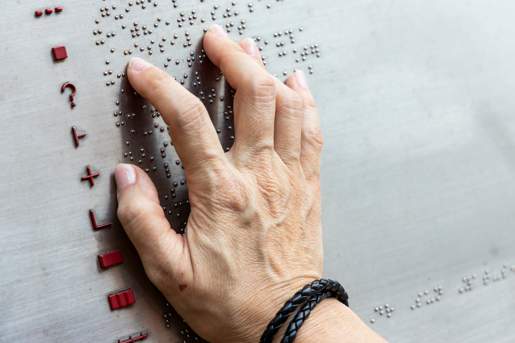 That sentiment is one we hear often at Braille House. For nearly 130 years, we have known firsthand the difference braille can make in people’s lives. Whether it’s helping a child develop literacy skills, supporting students through higher education, enabling someone to access information independently, or gaining the simple freedom to read and write without relying on a talking intermediary – braille remains a powerful pathway to opportunity.
As students from across Queensland and the country gear up for this year’s Braille Literacy Challenge, conversations like these provide a timely reminder of what a power braille literacy is.
So will braille still be used in the future? Yes, and that future will be one supported by the work already happening today here at Braille House.
Listen to the BBC In Touch episode here: https://www.bbc.com/audio/play/m002yx49